
Implement a Data Governance Framework in Power BI
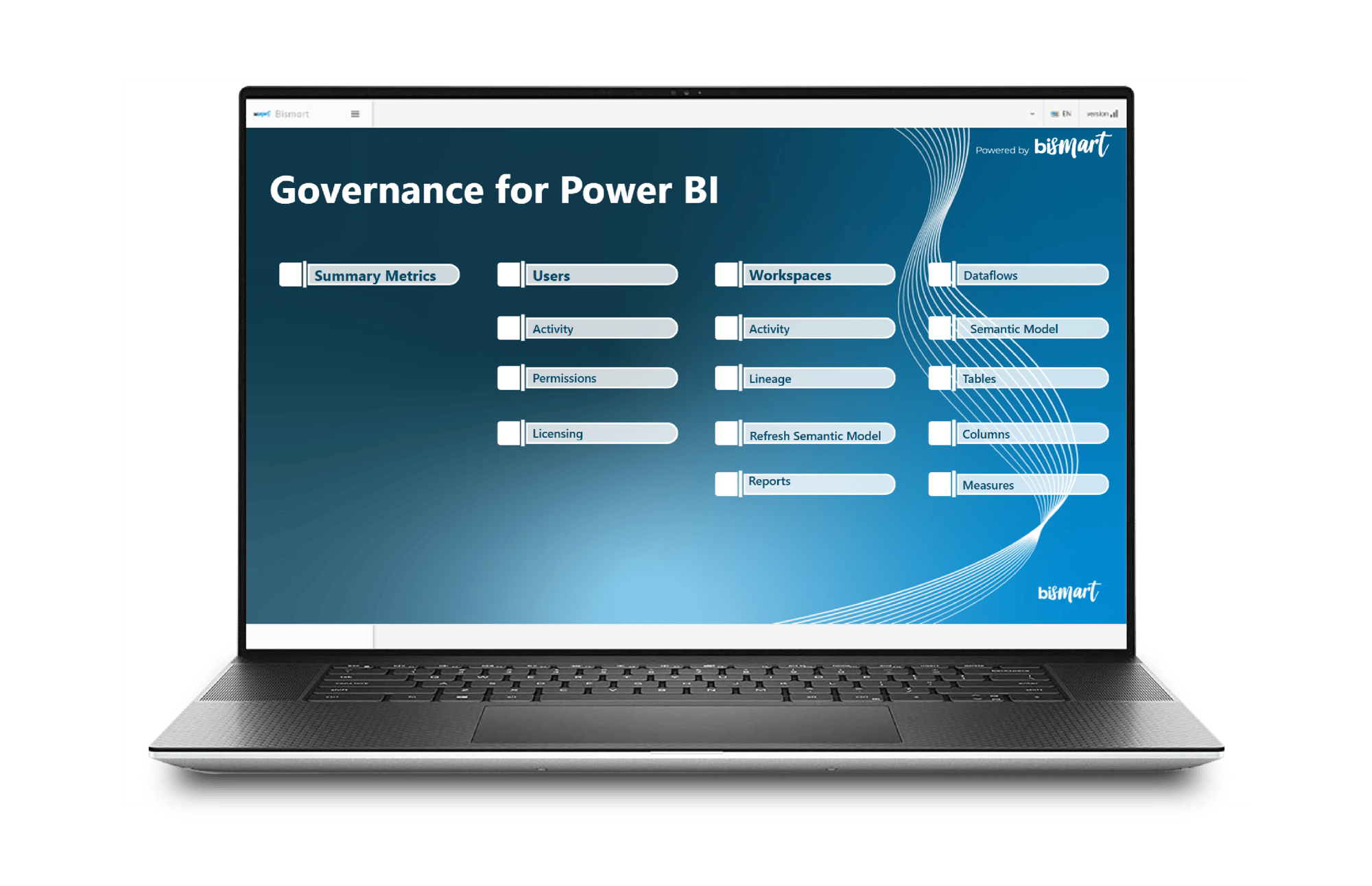
Get the complete e-book
▶️ Learn how to implement a data governance framework in Power BI step by step.
▶️ Find out how to share Power BI reports securely and without limits
▶️ Discover the keys to saving money and resources while increasing the security
of your data in Power BI
What is Data Governance?
Data governance is not just a set of isolated guidelines, but represents a comprehensive philosophy of how information should be treated within an enterprise. This framework encompasses a variety of key elements ranging from meticulously designed processes to specific policies, rigorous standards and detailed procedures, all focused on preserving the quality, integrity, confidentiality and availability of information.
This discipline becomes the central axis around which all data-related activities in an organization revolve. Clear responsibilities are established among team members, defining who can access what information, who can modify it and who is responsible for its maintenance. This ensures that all data is handled in a consistent and professional manner, minimizing the risks of errors, losses or misunderstandings.
In addition, data governance ensures that data is not only managed properly in the present, but that it is also thoughtful about the future. This involves creating long-term data management policies that are aligned with the company's strategic objectives. It considers how data can be leveraged to drive innovation, optimize business processes and improve decision making. In this sense, data governance acts as a bridge between the current state of an organization's information and its future potential, ensuring that data always delivers value to the business.
In short, data governance is an essential practice that enables organizations to manage their data in the most effective way possible. By establishing a robust framework with clear responsibilities and processes, companies can ensure that their data is always available, accurate, protected and used in a way that contributes to the continued success and growth of the organization.
Data governance in Power BI
Overall, implementing data governance measures in Power BI is essential to ensure data quality and reliability, maintain consistency in data interpretation, ensure security and privacy, comply with regulations, document metadata, manage versions, and follow guidelines for effective collaboration. This approach not only enhances information integrity, but also promotes a healthy and responsible data culture within the organization. Data governance in Power BI acts as a beacon, guiding the enterprise in the proper and strategic management of its information resources.
In addition, it is crucial to understand that the governance measures adopted must be flexible and able to adapt to technological and business changes. For example, the constant evolution of Power BI, with its upgrades and new features, requires a periodic review of governance policies to ensure that they remain relevant and effective. Also, because Power BI makes it easy to visualize complex data in an intuitive way, it is critical to establish clear guidelines on how these reports should be created, shared and consumed to avoid misinterpretations and to make decisions based on accurate and reliable data.
However, for companies with a significant number of users and reports in Power BI, data governance is even more critical, as it addresses the issues that affect Power BI productivity and ROI. In these environments, where the amount of data and the number of users interacting with it is high, the absence of strong data governance can lead to inconsistencies, duplication, and ultimately a loss of trust in the data. Implementing an effective governance strategy ensures that all users have access to the right information, at the right time, thereby empowering data-driven decision making and maximizing the return on investment in Power BI.
That's why data governance in Power BI should be viewed not just as a set of rules or policies, but as an investment in the quality and potential of enterprise data. By taking a proactive and strategic approach to data governance, companies can not only address today's data management challenges, but also unlock new opportunities to innovate and grow sustainably in the future.